Loire
A second region known predominantly for its white wines is the Loire, where Sauvignon Blanc and Chenin Blanc reign. Chenin, like the Alsace varieties, can

A second region known predominantly for its white wines is the Loire, where Sauvignon Blanc and Chenin Blanc reign. Chenin, like the Alsace varieties, can
Maipo valley chosen as one of the top ten wine travel destinations for 2019 The north American magazine Wine Enthusiast marked Santa Rita as one
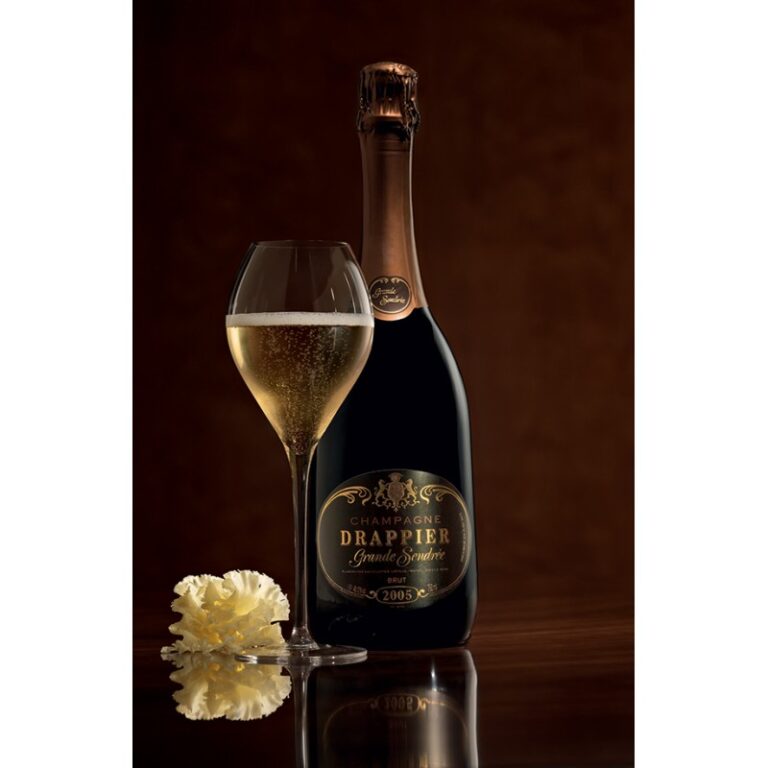
For your new bride or groom, a beloved parent, or a rare family gathering this holiday season, only a special bottle of Champagne will do. Enter the Prestige Cuvée.

Banrock Station Moscato và bánh su kem “Tiết trời mùa hè oi ả nhiều khi làm con người chỉ muốn nuông chiều bản thân chút
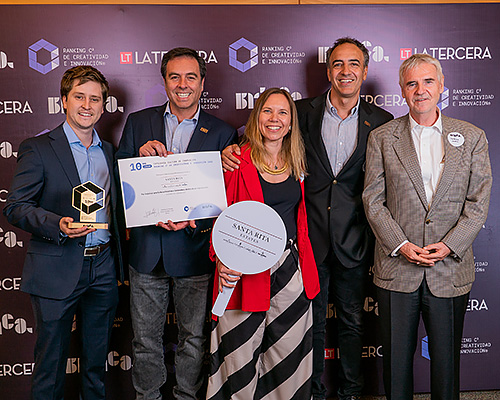
It was the only winery present in the 2022 C³ Creativity and Innovation Ranking, which seeks to highlight companies with a greater culture of innovation in the country.
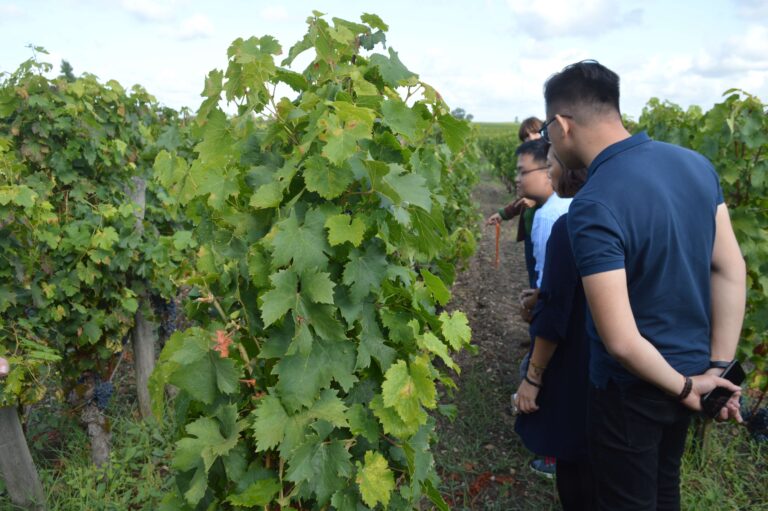
In Bordeaux, the concept of the “château” goes beyond the architectural structure to refer to the wine produced from the château’s vineyards
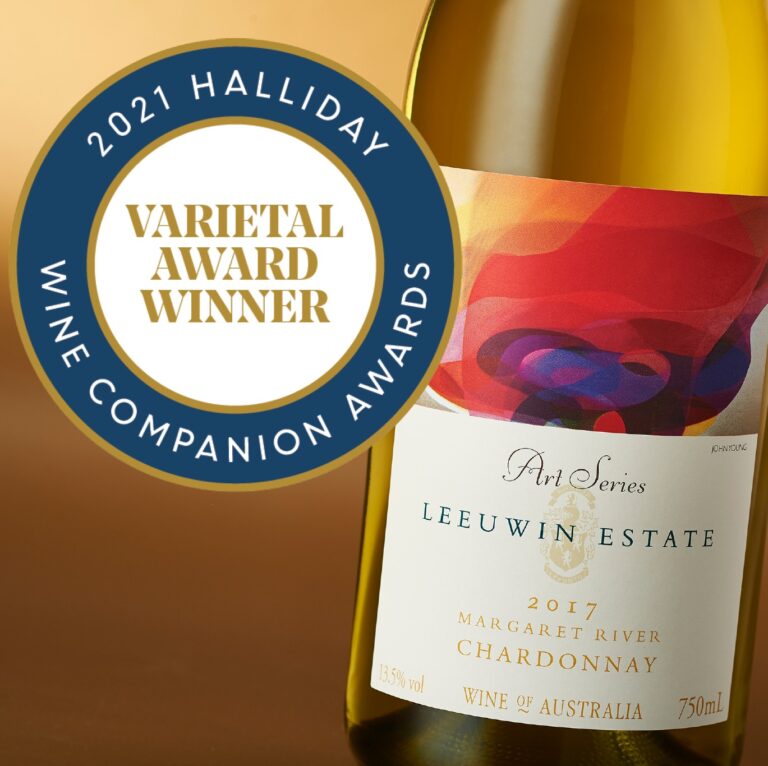
Chardonnay is considered the most planted white-wine grape in the world. You can easily find Chardonnay grape variety in many wine-producing countries.
Since the introduction of the Vin de Pays classification in 1979, the fortunes of the Langedoc-Roussillon have dramatically improved with extensive replanting on better sites,
Cariñena is just one of several DO titles used for the wines of Aragon, northern Spain. Its winegrowing area is situated to the south of

Easter is coming close, let’s put together a special menu of wines and dishes to celebrate this special occasion. A party should always start with light appetizers, followed by a few delicious main courses and end in a sweety way.

Great dinner with Pizza and Italian wine Allegrini Palazzo Della Torre “Hôm nay trời Sài Gòn mưa tầm tã, làm mình nhớ về khoảng thời