
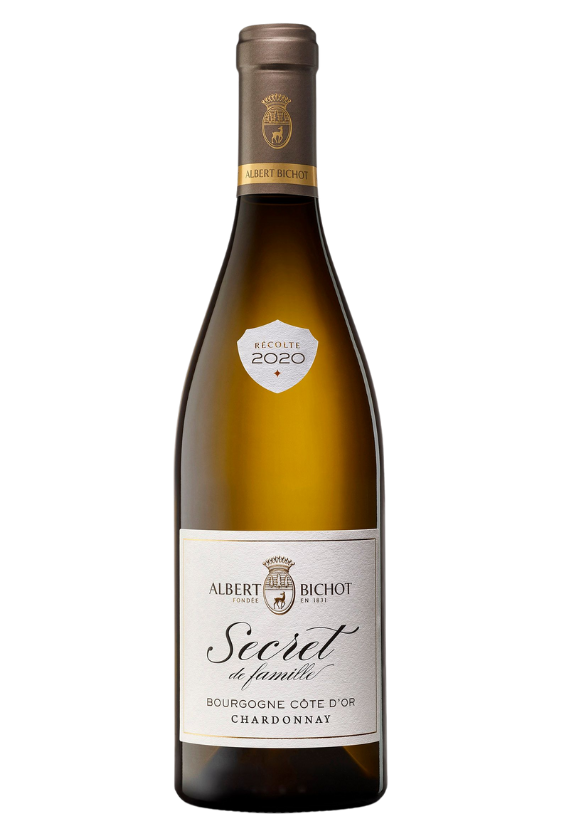
1.815.000 ₫
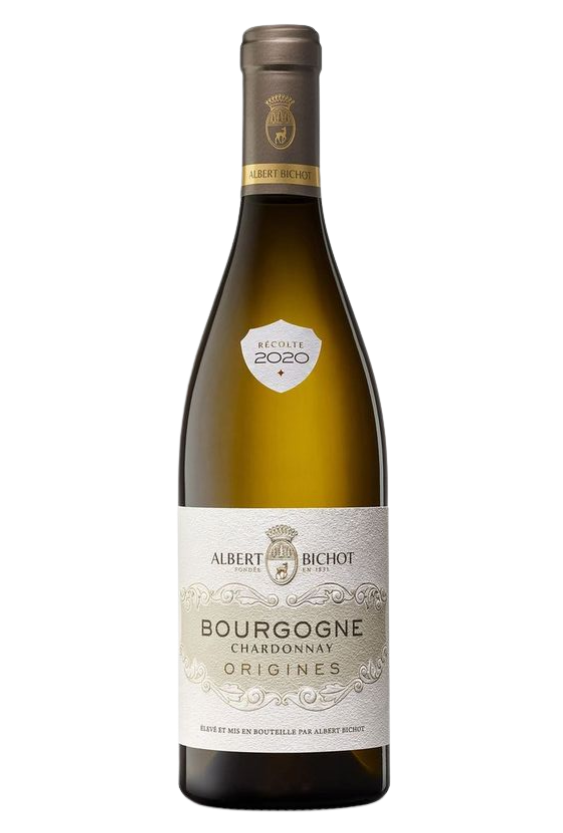
1.628.000 ₫

1.628.000 ₫
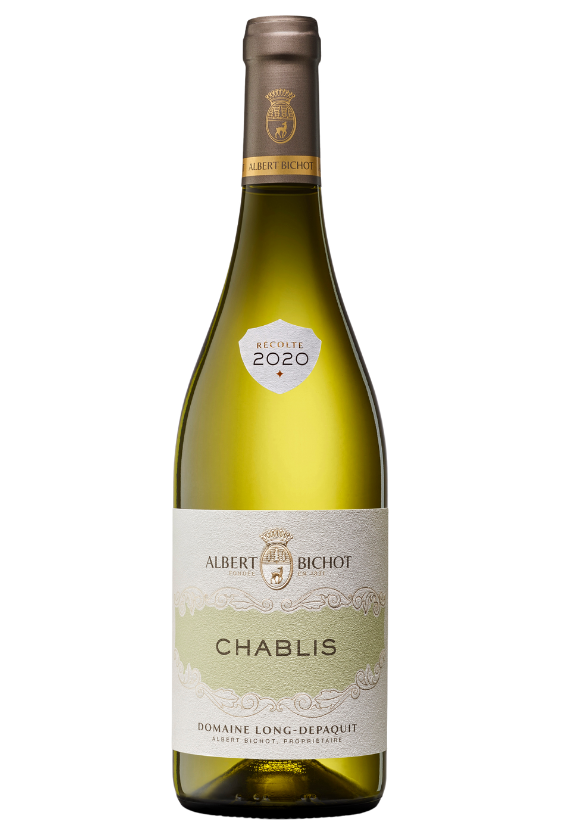
1.947.000 ₫
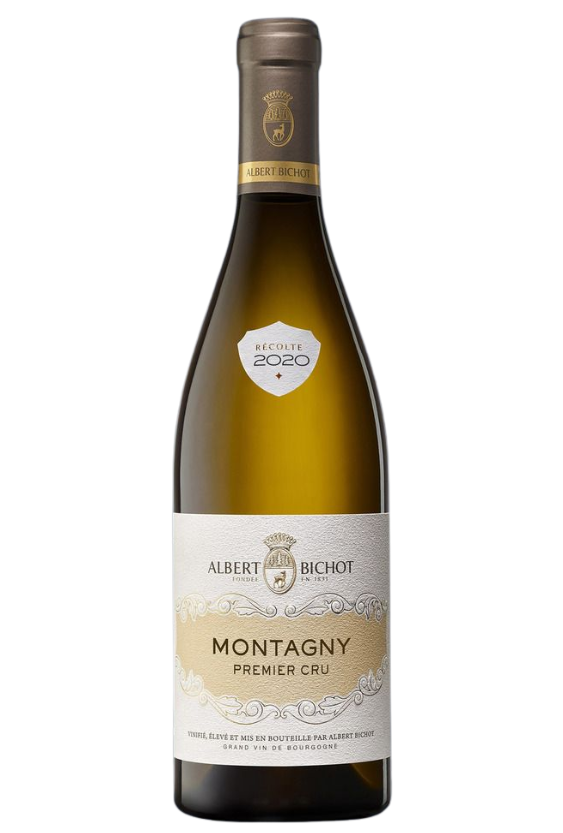
2.728.000 ₫
2.596.000 ₫
3.179.000 ₫

858.000 ₫

2.145.000 ₫
3.080.000 ₫

1.650.000 ₫
3.960.000 ₫
Contact
4.345.000 ₫
3.575.000 ₫
2.695.000 ₫
Chardonnay is the world’s most famous white-wine grape and also one of the most widely planted. Although the most highly regarded expressions of the variety are those from Burgundy and California, many high-quality examples are made in Italy, Australia, New Zealand and parts of South America.
Describing the flavors of Chardonnay is not easy. While many Chardonnay wines have high aromatic complexity, this is usually due to winemaking techniques (particularly the use of oak) rather than the variety’s intrinsic qualities. Malolactic fermentation gives distinctive buttery aromas. Fermentation and/or maturation in oak barrels contributes notes of vanilla, smoke and hints of sweet spices such as clove and cinnamon. Extended lees contact while in barrel imparts biscuity, doughy flavors. Because of this high level of winemaker involvement, Chardonnay has become known as the “winemaker’s wine”.
The variety itself (although often said to be relatively flavor-neutral) is responsible for most of the fruity flavors found in Chardonnay wines. These range from the tropical (banana, melon, pineapple and guava) to stonefruits (peach, nectarine and apricot), citrus and apples.
Climate plays a major role in dictating which fruit flavors a Chardonnay will have. Broadly speaking, warm regions such as California, Chile and much of Australia tend to give more tropical styles. Temperate zones such as southern Burgundy or northern New Zealand create wines marked out by stonefruit notes. The very coolest Chardonnay vineyards (those in Chablis, Champagne and Germany) lean towards green-apple aromas.
Mineral descriptors such as chalk, wet stones and crushed seashells also find their way into Chardonnay tasting notes. These are sometimes attributed to the soils in the vineyard, although the relationship between soil and wine flavor has become widely exaggerated. The most famously minerally Chardonnay wines are those of Chablis, one of the very few wine regions to focus on a largely unoaked style of Chardonnay.
Although most famous for its still, dry wines, Chardonnay is used to produce an impressively diverse range of wine styles. The variety is put to use in sparkling wines all over the world (most famously Champagne), when it is usually paired with Pinot Noir. It can also be found in sweet botrytized and late-harvest wines; Canada even produces sweet Chardonnay ice wines.
Chardonnay is particularly popular with wine producers, not least because it has a reliable market of keen consumers. The variety produces relatively high yields, will grow in a broad spectrum of climates, and can be made into the wine of acceptable quality with relative ease. In poor vintages, deficiencies can be covered up with oak flavors, reducing the financial impact of a bad harvest.
In the vineyard, Chardonnay presents a few viticultural challenges, but none that can’t be solved with age-old techniques or a little help from technology. (Were this not the case, the variety would certainly not be as successful as it is.) In very warm climates, Chardonnay grapes tend to lose their natural acidity, resulting in flat, overblown wines. This can be partially corrected with a simple addition of acid, or by harvesting early and compensating for lack of flavor by using oak and malolactic fermentation. Vignerons in cooler climates have quite different problems with the variety, as the vines bud and flower early in the season, making them susceptible to spring frosts. Vignerons in Burgundy (particularly in Chablis) have traditionally mitigated this with braziers between the vine rows. These are not just for warmth – they also create frost-preventing air currents.
Synonyms include Morillon, Pinot Chardonnay, Feiner Weisser Burgunder.
Food matches for Chardonnay include:
Head office: 781 Hong Ha, Chuong Duong Do, Hoan Kiem, Hanoi
[email protected] – 1900 636 749 – (+84-24)38 262 076
ERC: 0100598866
Issued on: 28/11/1995 Licensed by the Minister of Planning and Investment
Distribution license: No. 429/GP-BCT issued by the Ministry of Industry and Trade on 21/08/2023

Comply with Decree No. 185/2013/ND-CP of the Government and Advertising Law No. 16/2012/QH13 on online sales.
Comply with Decree No. 24/2020/ND-CP of the Government: do not sell alcohol to people under 18 years old.
Comply with Article 16 of the Law on Prevention and Control of Harmful Effects of Alcohol and Beer No. 44/2019/QH14 issued by the National Assembly
The content on the website is for product introduction purposes only. We do not sell online!
Product is not intended for use by persons under 18 years of age or by pregnant women | Sitemap


